
If your home insurance renewal notice landed with a bigger number than last year, you’re not alone. Even homeowners with zero claims are seeing premiums climb. BC’s wildfire-prone Interior communities — the Shuswap included — are feeling it more than most. Shuswap home insurance maintenance is one of the few things you can actually do about it.
Why Rates Are Rising
A mix of forces most homeowners can’t control is pushing up home insurance costs in BC. Detached homes across the province are now averaging annual premiums between roughly $1,200 and $2,200. Location matters enormously within that range.
The biggest driver is climate risk. Wildfires, atmospheric rivers, and flash floods have produced billions of dollars in insured losses across BC in recent years. Insurers spread those costs across the entire provincial pool, even for homeowners whose properties escaped direct damage. The 2026 wildfire season has already been severe: major fires have burned in the Okanagan region and destroyed hundreds of homes province-wide. That’s keeping upward pressure on premiums heading into next year’s renewals.
On top of climate exposure, rebuilding itself has simply gotten more expensive. Lumber, roofing, drywall, electrical components, and skilled trades have all risen in cost. So insurers are adjusting coverage limits — and premiums — to match what it would actually cost to rebuild a home today.
Insurers are also pricing in newer risk categories that barely existed on rate sheets a decade ago. Wildfire smoke and soot damage to HVAC systems, atmospheric-river-scale flooding, and freeze-thaw related burst pipes are all now factored into renewal calculations.
Where Shuswap Home Insurance Fits In
The Shuswap sits in BC’s Interior, an area insurers increasingly classify among the province’s higher wildfire-risk zones. That classification alone can affect your premium and your deductible options. In some cases it also determines whether you can even get specific coverage — like wildfire smoke remediation — without an add-on.
The practical upshot: homeowners here have less control over macro pricing trends. But you do have real control over the property-level factors insurers look at. Those factors are exactly where regular maintenance pays off.
What Actually Moves the Needle: Shuswap Home Insurance Maintenance Tips
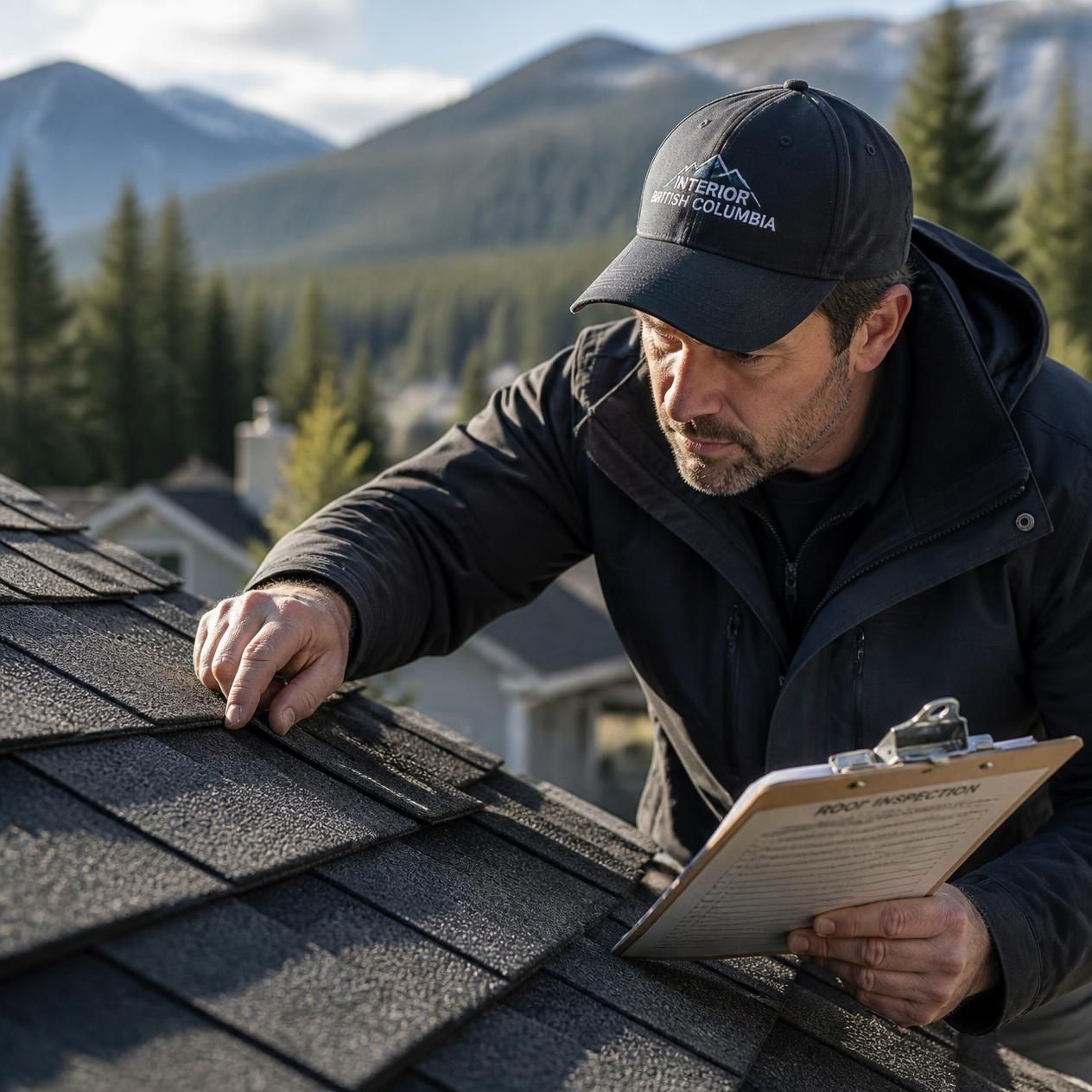
Defensible space and roof condition. Insurers are paying closer attention to FireSmart practices — cleared vegetation near the home, non-combustible roofing, and ember-resistant vents. A roof inspection and basic FireSmart cleanup can be the difference between a standard renewal and a wildfire-zone surcharge.
Plumbing and wiring age. Older plumbing and electrical systems are a leading cause of water damage and fire claims. Insurers often offer better rates — or fewer exclusions — for homes with updated systems. Some brokers will even ask directly about the age of these systems at renewal.
Overland water coverage. Most standard policies leave this out — you typically have to add it separately. Given how often flash flooding shows up in BC’s claims data now, it’s worth a conversation with your broker even if your property has never flooded.
Documented maintenance history. When you do need to file a claim, insurers look favourably on homes with a clear maintenance record — recent roof work, updated wiring, serviced HVAC. It can speed up claims processing and occasionally support better renewal terms.
The Maintenance-Insurance Connection
This is really where Shuswap home insurance maintenance stops being just a home-improvement decision and becomes a financial one. A roofer who catches early wear before it becomes a leak isn’t just preventing a headache. An electrician who modernizes old wiring, or a plumber who replaces aging pipes, is doing the same thing. Each one is addressing the exact risk factors insurers price into your policy.
For Shuswap homeowners, this points to a simple strategy: don’t wait for a renewal shock to think about maintenance. Getting ahead of roof, plumbing, and electrical wear each year does double duty. It protects the home itself, and it puts you in a stronger position when your insurance broker asks about your property’s condition.
If you haven’t had a maintenance check-up in a while, our seasonal home maintenance checklist is a good place to start. Pairing that with a reliable local tradesperson means the work actually gets done before it becomes a bigger — and pricier — problem.